
Adaptive Fitness Classes in Wellesley, MA
Fitness should be accessible to everyone.
ABL Fitness provides evidence-based adaptive and inclusive fitness classes for children, teens, and adults with disabilities and neurodivergence. Our small-group classes provide individualized coaching, exercise modifications, and additional support based on each athlete’s abilities, needs, and goals.
We presume competence, build connection first, and challenge every athlete to build strength, confidence, independence, and lifelong healthy habits.
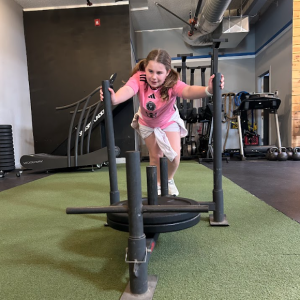
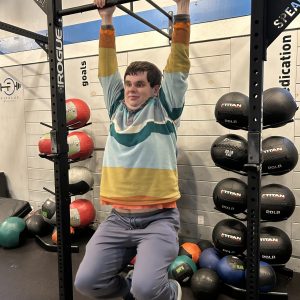
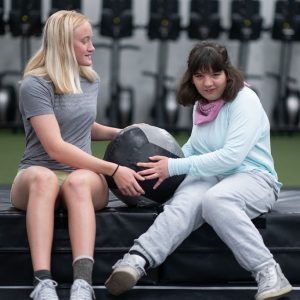
“I can’t say enough good things about Karen and the ABL Fitness team. The staff and volunteers are fabulous. My son can’t wait for class every week and comes home feeling more confident and stronger. It is such a motivating and affirming environment. He tries new things, endures through challenging exercises, and feels successful, valued, and supported!”
John M. – Needham
Readiness for Adaptive Group Classes
At ABL Fitness, our goal is to create a safe, supportive, and successful experience for every athlete while maintaining an environment where the entire group can thrive.
Athletes participating in Adaptive Fitness classes should generally be able to remain with the group with minimal support, follow simple two-step directions, and participate safely within a small group setting. If an athlete becomes dysregulated, they should be able to regain regulation with parent support or light coaching assistance and return to class activities when ready.
Because every athlete is unique, class placement is determined at the discretion of ABL Fitness coaches based on the athlete’s individual needs, readiness, and likelihood of success within the group environment. Our recommendations are always made with the goal of helping each athlete build confidence, experience success, and progress over time.
For athletes who require additional support, we may recommend beginning with individualized training sessions before transitioning into a group class when appropriate.
Adaptive Kids: Ages 5–8
Small group | Max 6 athletes
This track is designed for younger athletes who benefit from a smaller class size, more individualized coaching, predictable routines, and extra support with transitions, attention, communication, and motor planning.
Because this group requires a lower athlete-to-coach ratio and more hands-on support, tuition is higher than our older adaptive tracks.
Best for: younger children who are building foundational movement skills, confidence, body awareness, and comfort participating in a group fitness setting.
Adaptive Youth: Ages 8–13
Small group | Max 8 athletes
This track supports school-age athletes as they build strength, coordination, confidence, and independence in a structured fitness class. Athletes participate in warm-ups, strength skills, obstacle challenges, and short workouts with adaptive coaching and individualized support.
This class still includes a high level of coaching support, but athletes are typically ready for a slightly larger group than the 5–8 track.
Best for: children and early teens who benefit from adaptive coaching, structure and movement breaks.
Adaptive Teen & Adult: Ages 14+
Small group with peer mentors | Max 8 athletes
In this track, athletes build strength, fitness, independence, and confidence through functional movements used in everyday life while also developing meaningful relationships with coaches, peers, and peer mentors.
As athletes move beyond the school years, this program provides ongoing opportunities for fitness, wellness education, community connection, and personal growth. We recognize that many individuals experience a significant reduction in structured services after age 22, and our goal is to provide continued support.
This class has a slightly more social and community-based feel, while still providing individualized coaching and adaptive support.
Best for: teens and young adults who are ready to build strength, fitness skills, confidence, and connection in a supportive group setting.
Schedule & Details
Adaptive Kids: Ages 5–8
Sunday 1:00 PM
Adaptive Youth: Ages 8–14
Saturday 11:30 AM & Sunday 2:00 PM
Adaptive Teens & Adults: Ages 14+
Wednesday 6:30 PM, Saturday 2:00 PM, & Sunday 3:00 PM
Self-directed funds from DDS may be used. Invoices for reimbursement can be provided.
ABL Fitness Adaptive Classes: "The IEP of Fitness"
Just as an Individualized Education Program (IEP) provides personalized supports to help a student succeed, our Adaptive Fitness classes provide an individualized fitness plan to help each athlete feel capable, confident, and successful through movement.
At ABL Fitness, this means:
🎯Individualized Fitness Goals
Goals are tailored to each athlete’s strengths, needs, interests, and aspirations.
👥 Personalized Coaching Strategies
Coaches adapt instruction based on communication styles, learning preferences, and motivational needs.
⚙️ Exercise Modifications for Success
Movements are adjusted and progressed so every athlete can participate safely and successfully.
🧠 Sensory-Informed Support
Quieter gym hours help reduce distractions and support sensory regulation. Visual supports, predictable routines, and individualized strategies help athletes feel ready to engage.
📈 Individualized Progressions
Athletes advance at their own pace through achievable and meaningful challenges.
🏠 Family & Lifespan Focus
Fitness skills are connected to everyday life, independence, and long-term health. We recognize that many individuals experience a reduction in structured supports after leaving the school system, which is why our programs are designed to support lifelong fitness, wellness, and community connection.
Presuming Competence in Practice
Every athlete comes to ABL with different strengths, needs, goals, and ways of communicating. Our job is to understand the athlete in front of us—not make assumptions about what they understand or what they can accomplish. One of our nonspeaking autistic athletes communicates through spelling. After his first workout at ABL Fitness, his mom asked him what he thought about the experience. These are his words.
What to Expect in Every 55-Minute Adaptive Fitness Class
Each 55-minute class is adapted to support safe, effective, and meaningful participation. Athletes work on strength, core stability, coordination, motor planning, and functional movements that support everyday life. Smaller coach-to-athlete ratios allow our coaches to provide individualized instruction, exercise modifications, and additional support throughout the class.
👋 Connect
Athletes check in, review the plan for the day, and prepare for success.
🔥 Warm Up & Regulate
Movement activities help athletes prepare physically and mentally for exercise.
🏋️ Learn & Practice
Athletes work on strength, fitness, movement skills, balance, coordination, and functional exercises.
🚀 Challenge & Grow
Workouts are individualized to help athletes build skills, confidence, and resilience.
🤝 Reflect & Connect
Classes often finish with team activities, healthy habit discussions, or celebrating successes.
Benefits of Adaptive Fitness: What Athletes Gain
Through consistent participation, athletes develop skills that improve fitness, confidence, independence, and quality of life both inside and outside the gym.
💪 Strength & Physical Fitness
Build strength, endurance, stability, and overall fitness.
⚖️ Coordination & Motor Skills
Improve balance, body awareness, motor planning, agility, and movement confidence.
🚶 Functional Life Skills
Develop movement skills that support everyday activities at home, school, work, and in the community.
🌟 Confidence & Self-Belief
Experience success, overcome challenges, and build a positive self-image.
🤝 Connection & Belonging
Develop friendships, practice social skills, and become part of a supportive community.
🗣️ Independence & Self-Advocacy
Gain confidence making choices, communicating needs, and taking ownership of personal health and wellness.
❤️ Lifelong Health & Wellness
Build healthy habits around movement, sleep, nutrition, recovery, and overall well-being.
Meet the Difference: Expert Coaches Who Understand
More Than Fitness Coaches
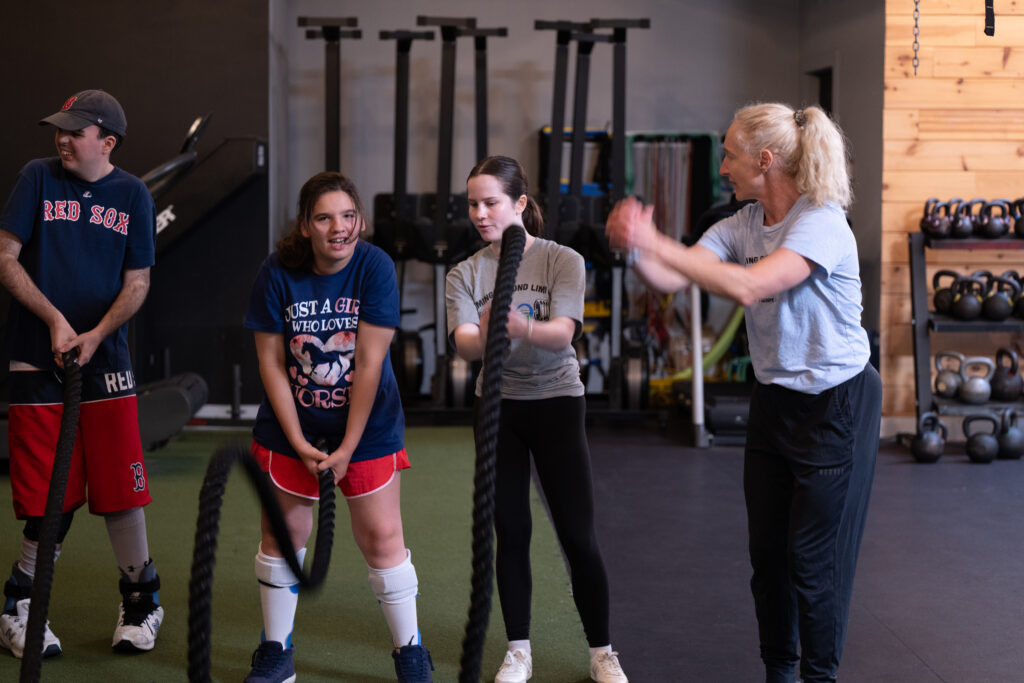
Our coaches use sensory-informed, individualized coaching strategies to understand how each athlete learns, communicates, and engages with the world. Through meaningful relationships, consistent support, and a strength-based approach, we create an environment where athletes feel connected, empowered, and capable of success.
- Understand the Athlete: Learn how each athlete thinks, learns, communicates, and engages.
- Build Trust — Create consistency, predictability, and emotional safety.
- Support Communication — Adapt coaching to different communication styles and needs.
- Focus on Strengths — Presume competence and build upon what athletes can do.
- Empower Leadership — Help athletes make choices, advocate for themselves, and grow.
Serving Families Across Greater Boston
ABL Fitness provides adaptive fitness classes for children, teens, and adults from across Greater Boston and MetroWest, including Wellesley, Needham, Newton, Natick, Framingham, Brookline, and Boston. Our adaptive fitness programs help athletes with autism, ADHD, developmental disabilities, neurological conditions, and other support needs build strength, confidence, independence, and lifelong wellness.
Frequently Asked Questions
Adaptive fitness is a specialized approach to exercise that modifies workouts, coaching strategies, equipment, and the environment to help individuals with disabilities, neurodiversity, chronic conditions, or other unique needs participate safely and successfully in fitness activities.
At ABL Fitness, we are a nonprofit medical fitness clinic that provides adaptive fitness programs, personal training, and small-group classes for children, teens, and adults with autism, ADHD, Down syndrome, intellectual and developmental disabilities, neurological conditions, physical disabilities, chronic health conditions, and individuals transitioning from therapy to lifelong wellness.
Our coaches use individualized coaching, sensory-informed strategies, exercise modifications, and evidence-based fitness programming to help athletes build strength, confidence, independence, social connection, and lifelong healthy habits. Every program is designed around the athlete’s unique abilities, goals, communication style, and support needs through our individualized IEP of Fitness approach.
ABL Fitness is a nonprofit medical fitness clinic serving children, teens, adults, and older adults of all abilities. While we are known for our expertise in adaptive fitness, neurodiversity, and disability-inclusive programming, we also offer programs for individuals without disabilities who want a more supportive, personalized, and evidence-based approach to fitness.
One of our key differentiators is that we focus on the whole athlete. Our approach combines adaptive fitness, individualized support, motor development, social connection, confidence building, and meaningful relationships. We prioritize trust first, knowing that fitness success follows when athletes feel safe, understood, and supported.
Our coaches use this approach to help every athlete build strength, confidence, independence, connection, and lifelong health. Whether someone joins Kids Ninja Fitness, Adaptive Fitness, Limitless Strength, Stronger for Life, personal training, or Special Olympics powerlifting, our goal is the same: helping people move better, feel stronger, and thrive.
Both programs use our individualized IEP of Fitness approach and are designed to help athletes build strength, confidence, coordination, and lifelong healthy habits in a supportive environment.
Adaptive Kids (ages 5–8) focuses on foundational movement skills, sensory regulation, body awareness, following routines, and learning how to participate successfully in a small group setting. Classes are limited to 6 athletes to provide additional support and individualized coaching during these early developmental years.
Adaptive Youth (ages 8–13) builds upon those foundations by introducing more structured strength and conditioning activities, greater independence, motor skill development, teamwork, and fitness challenges. Classes are limited to 8 athletes and are designed for athletes who are ready for increased independence and participation within a slightly larger group environment.
Class placement is based on age, developmental readiness, support needs, and coach recommendation to ensure the best experience for both the athlete and the group.
Both programs use our individualized IEP of Fitness approach and help athletes build strength, confidence, fitness, and independence in a supportive environment.
Adaptive Youth (ages 8–13) focuses on developing foundational strength, coordination, motor-planning skills, body awareness, fitness habits, and successful participation in a small group setting. Athletes continue building confidence with movement while learning to work independently and alongside peers.
Adaptive Teens/Adults (ages 14+) is designed for teens and adults who are ready for a more mature fitness experience. Classes emphasize functional fitness movements that support everyday life—such as squatting, carrying, pushing, pulling, and lifting—while also developing cardiovascular fitness, strength, independence, and healthy lifestyle habits. Athletes have opportunities to build meaningful relationships with coaches, peers, and peer mentors while learning skills that support long-term health, wellness, and community participation.
As athletes approach adulthood, the program also addresses the importance of lifelong fitness and wellness, helping participants develop habits and knowledge around movement, nutrition, sleep, recovery, connection, and personal growth. Many families appreciate that this program provides continued opportunities for fitness, learning, and community beyond the traditional school years.
Class placement is based on age, developmental readiness, support needs, and coach recommendation to ensure the best experience for each athlete and the group as a whole.
Adaptive Fitness is designed for children, teens, and adults who benefit from additional support to be successful with exercise and fitness.
Many of our athletes have autism, ADHD, Down syndrome, intellectual or developmental disabilities, neurological conditions, sensory differences, or other support needs. Others simply benefit from smaller class sizes, individualized coaching, predictable routines, and a more supportive learning environment.
Our programs help athletes build strength, fitness, confidence, independence, and meaningful connections while developing healthy habits that support lifelong wellness. Through our IEP of Fitness approach, we meet each athlete where they are and provide the individualized support they need to succeed.
At ABL Fitness, we believe that fitness is only one part of overall health and well-being. In addition to building strength and fitness, athletes learn practical health and wellness skills that can support greater independence, confidence, and quality of life.
Throughout our programs, coaches incorporate age-appropriate discussions and real-world strategies related to:
- 🥗 Healthy eating and nutrition habits
- 😴 Sleep, recovery, and energy management
- 🚶 Daily movement and physical activity
- 🤝 Building meaningful relationships and social connections
- 😊 Emotional wellness and stress management
- 🌱 Growth mindset, perseverance, and resilience
- 🗣️ Self-advocacy, decision-making, and independence
Our goal is to help athletes develop healthy habits and lifelong wellness skills that extend beyond the gym and support success at home, school, work, and in the community.
Connection is one of ABL Fitness’s core values and an important part of every program we offer.
We believe that fitness is more meaningful when it is shared with others. Athletes have opportunities to exercise alongside peers, peer role models, coaches, and mentors who help create an environment of acceptance, encouragement, and belonging.
Through partner workouts, team challenges, group activities, leadership opportunities, and shared successes, athletes naturally develop:
- Meaningful friendships
- Communication and social skills
- Confidence in group settings
- Peer mentoring relationships
- Teamwork and leadership abilities
- A stronger sense of belonging and community
Our goal is for every athlete to feel seen, valued, and connected—not just during a workout, but as part of a supportive fitness community where they can grow, contribute, and thrive.
Athletes learn functional fitness skills that help them become stronger, more confident, and more independent in everyday life.
Classes focus on foundational movement patterns and strength and conditioning activities such as:
- Squatting and getting up from chairs or the floor
- Carrying and moving objects safely
- Pushing and pulling movements
- Balance and coordination activities
- Core strengthening and stability exercises
- Endurance and cardiovascular fitness training
- Motor-planning and body awareness skills
Beyond physical fitness, athletes also develop important life skills including following routines, problem-solving, self-confidence, perseverance, teamwork, communication, and self-advocacy.
Our goal is to help athletes build the strength, movement skills, and healthy habits needed to participate more confidently at home, school, work, in sports, and throughout their community.
Many individuals experience a significant reduction in structured opportunities after age 22. Our Teen & Adult Adaptive Fitness program helps bridge that gap by providing ongoing fitness, wellness education, social connection, peer mentoring, and opportunities for lifelong growth and independence. We believe health, learning, and community participation should continue throughout adulthood.
In some cases, yes. Families have used DDS funding, self-directed supports, and other community-based funding sources for fitness and wellness programming. We are happy to discuss documentation and determine whether our programs may qualify within your individual plan or funding structure.
It depends on the athlete and the program. Some athletes benefit from caregiver support during the transition into a new class, while others participate independently. Our goal is to help each athlete feel safe, successful, and appropriately supported while building confidence and independence over time.
ABL Fitness is a nonprofit Medical Fitness clinic located in Wellesley and serves individuals and families throughout the MetroWest and Greater Boston area. Our athletes come from communities including Wellesley, Needham, Newton, Brookline, Natick, Framingham, Weston, Dover, Medfield, Dedham, Norwood, Milton, Boston, and many surrounding communities.
Every athlete begins with a parent phone consultation followed by a complimentary meet-and-greet session. This allows us to learn about your child, build trust, and determine the most appropriate starting point.
The phone consultation helps us understand your child’s strengths, interests, communication style, sensory preferences, support needs, and your goals as a parent. This allows us to create a safe and successful experience from the very beginning.
The meet-and-greet is a relaxed, one-on-one visit to the gym often during off peak hours. Athletes can explore the space, meet our coaches, try a few simple activities, and become familiar with the environment at their own pace.
No. Our goal is not to test your child. We use the session to build rapport, understand how your child communicates and moves, and identify strategies that will help them be successful and what classes they could thrive in.
Activities vary based on the athlete’s interests and comfort level but may include medicine ball tosses, resistance bands, biking, SkiErg, sled pushes, balance activities, and other fun movement-based exercises.
We observe communication, movement skills, motor planning, balance, regulation, learning style, and support needs. Most importantly, we identify what motivates your child and helps them feel successful.
Based on information gathered from the parent consultation and meet-and-greet, we recommend the most supportive starting point, which may include an Adaptive Fitness Class, Inclusive Powerlifting Team, or 1:1 Personal Training.
Absolutely. Many athletes begin in one setting and transition to another as they gain confidence, independence, fitness skills, and comfort in the gym environment. Some athletes participate in more than one program.
Our primary goal is the safety and success of all athletes. Depending on your child’s needs, we may recommend 1:1 training initially or ask a parent or caregiver to remain available during the transition period. We love to involve parents as you know your child best.
An Athlete Preference Sheet is a personalized guide created for each athlete. It includes communication preferences, motivators, learning style, sensory considerations, successful coaching strategies, and other important information that helps coaches provide individualized support. This also allows the volunteers to know topics of conversation that are of particular interest to your child. We find that connection truly helps with motivation.
Preference Sheets are reviewed regularly and updated throughout the year as athletes grow, develop new skills, and discover new preferences.
Before each class, coaches review athlete preference sheets, prepare communication supports, goals, and strategies that have been successful in previous sessions.
We believe parents are essential members of the team. Coaches provide ongoing communication regarding progress, successes, goals, and any recommendations that may help support your child.
That is completely normal. We never rush the process. Athletes are encouraged to explore the gym at their own pace, observe before participating, take breaks when needed, and build comfort gradually.
You can also view and download our “What to Expect” social story, under our Media drop-down menu to help your child preview and get ready for their session.
Our goal is simple: for every athlete to leave feeling stronger, more confident, more independent, and excited to return.
No. While many of our athletes have autism, ADHD, developmental disabilities, or medical conditions, a diagnosis is not required. We welcome individuals of all abilities who can benefit from a supportive fitness environment.
Many of our athletes come to us with a history of challenges related to regulation, attention, anxiety, transitions, communication, or participation in group activities. Our coaches focus on building trust, creating predictable routines, and using individualized strategies that help athletes feel safe and successful. We meet athletes where they are, celebrate progress, and work closely with families to identify supports that promote success.
Absolutely. Many athletes join ABL Fitness after difficult experiences in traditional sports, recreation programs, or fitness settings. Our goal is to create an environment where every athlete can experience success. We adapt activities, provide individualized coaching, and focus on progress rather than comparison.
